Ayurvedic View of Hair Fall (Khalitya)
Hair fall, known in Ayurveda as Khalitya, is a common condition caused by an imbalance of the three doshas—Vata, Pitta, and Kapha—with Pitta dosha playing the most dominant role. Pitta governs digestion, metabolism, and body heat. When Pitta becomes excessive due to diet, lifestyle, stress, or environmental factors, it increases heat in the scalp, weakens hair roots, and damages hair follicles. Excess Pitta leads to thinning, early greying, scalp irritation, and increased shedding.
Vata imbalance contributes to dryness, brittle hair, split ends, and weakened nourishment to the scalp. Kapha, when aggravated, creates excess oiliness, clogged follicles, and dandruff that further weaken hair roots. When all three doshas become disturbed, the scalp environment becomes unhealthy, leading to progressive hair fall.
A key Ayurvedic cause of hair fall is weak digestion (Mandagni). Poor digestion leads to Ama (toxins) circulating in the body, blocking channels (Srotas) and reducing nourishment to hair follicles. When dhatus—especially Rakta (blood) and Asthi (bone)—are weakened, hair growth becomes slow and fragile. Stress, inadequate sleep, excessive heat exposure, chemical-based hair products, and poor diet further accelerate the condition.
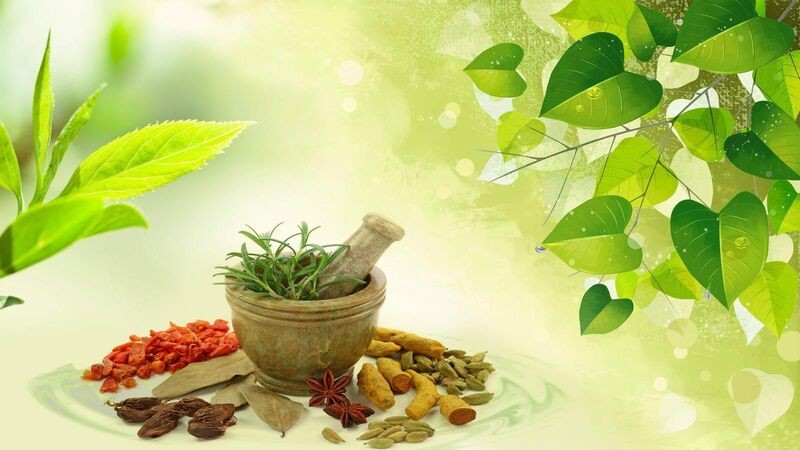
Ayurveda views hair fall as both a local scalp issue and a systemic imbalance, meaning treatment focuses not only on the hair but on the entire body. The approach includes balancing doshas, strengthening digestion, improving circulation, nourishing hair roots, detoxifying the body, and calming the mind. Herbs like Bhringraj, Amla, Brahmi, Jatamansi, Neem, Hibiscus, and Methi are commonly used to restore hair health. Panchakarma therapies such as Shirodhara, Nasya, Abhyanga, and Shiro Abhyanga help deeply nourish the scalp and reduce stress.
Ayurveda emphasizes lifestyle, diet, scalp rituals, and emotional well-being as the foundation for healthy hair growth.